
Car Value by VIN
Type in your VIN so the car is filled in, then add the miles and condition. You don't need an email address or a ZIP code.
What gets filled in by the VIN
Your VIN is sent by the tool to a free decoder that NHTSA, the federal road safety agency, operates. Those fields are read back and used exactly as given.
| NHTSA field | What the tool does |
|---|---|
| Model year | Picks the year |
| Make | Picks the make, or Other |
| Model | Picks the model, and the five-year rate for that model applies when the study has it. |
| Body class | Sets the vehicle type: car, SUV or truck |
| Fuel type and electrification | Sets Hybrid or Electric |
| Trim | Not used; it does not change the value |
What a VIN can't tell about value
A VIN shows the car as it came from the factory. How the car has lived since then isn't covered, so the tool keeps these as questions:
- Mileage, since the odometer reading isn't in the VIN.
- Condition: the paint, tires, engine and how the car drives.
- State records provide title brands such as salvage or rebuilt.
- The price when new, including the options and trim paid for by the first owner.
Only NHTSA receives your VIN. The page address never includes it, and a copied result link contains no VIN.
Finding your VIN
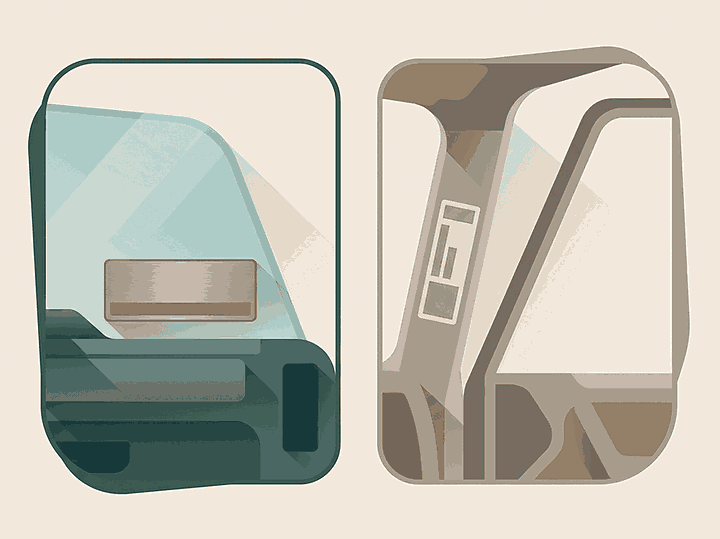
Find it through the windshield at the driver's side corner of the dashboard, or by opening the driver's door and reading the sticker on the door jamb. Your title, registration and insurance card also show the VIN.
Don't have a VIN at hand? The car value estimator works with just the year and the vehicle type.